Earth & nature
Planetary motion, oceans, weather, light and the systems beneath everyday experience.
Explore the library →Science · Space · How the world works
Every discovery begins with a portrait summary, then opens into a substantial, carefully sourced article designed to reward curiosity.
 Featured explainer
The complete library
All existing Claude explainers have been preserved, restructured, and presented with a true 4:5 cover, portrait summary, full article, caveats, FAQs, and sources.
 014:5
014:5Airplanes fly because their wings push air downward and the air pushes back up. Lift balances weight and engine thrust overcomes drag. The full explanation, minus the myths.
Watch and read →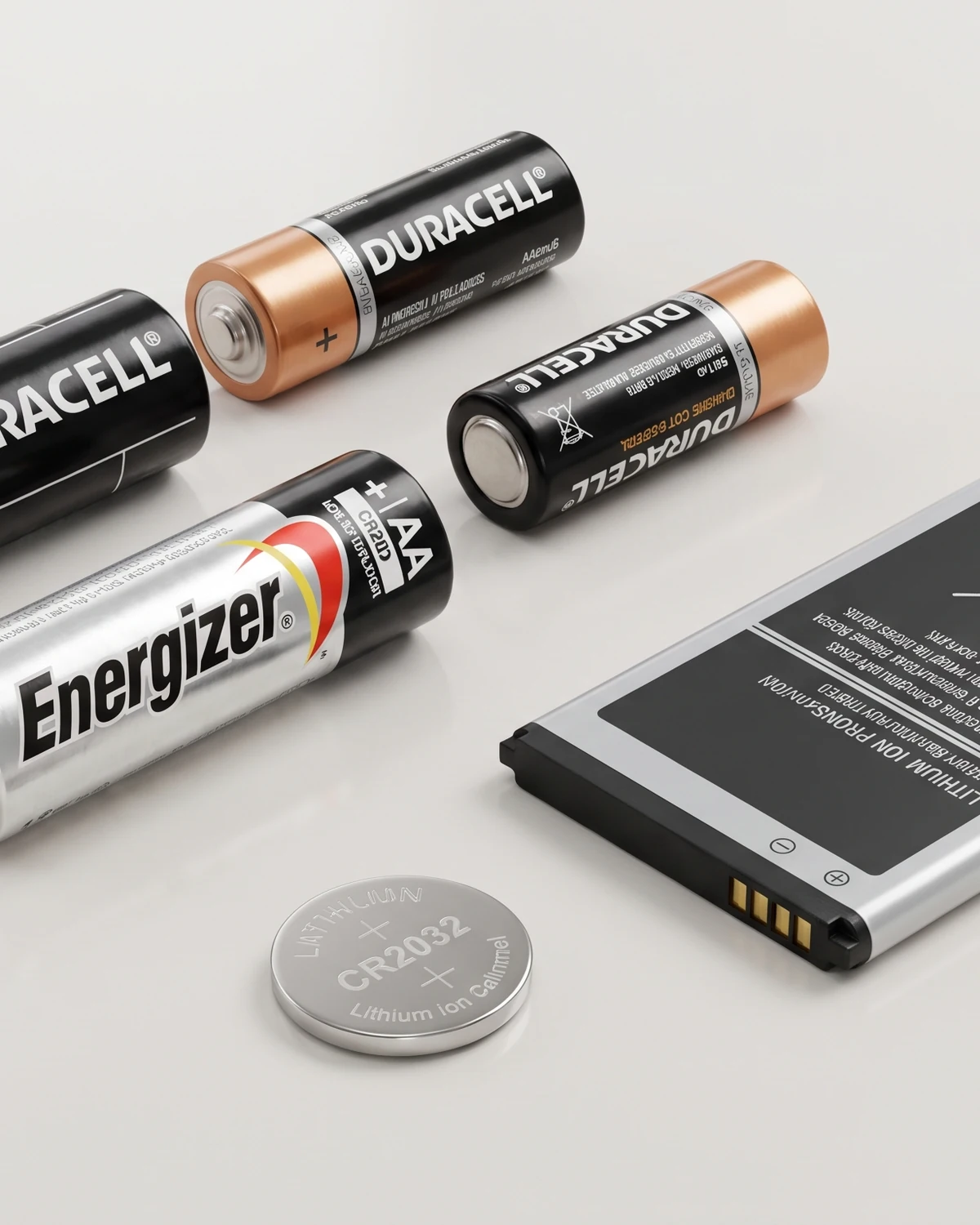 024:5
024:5A battery stores energy as chemistry, not electricity. A reaction between two materials pushes electrons through your device, turning stored chemical energy into power.
Watch and read → 034:5
034:5Noise-cancelling headphones use tiny microphones to listen to surrounding noise, then play an opposite sound wave that collides with it and cancels it out.
Watch and read → 044:5
044:5Rainbows form when sunlight enters raindrops, bends, reflects off the back and bends again, splitting white light into colours that reach your eye at a fixed angle.
Watch and read → 054:5
054:5A microwave oven heats food by broadcasting radio waves that make water molecules jiggle billions of times a second, and that molecular motion is heat.
Watch and read →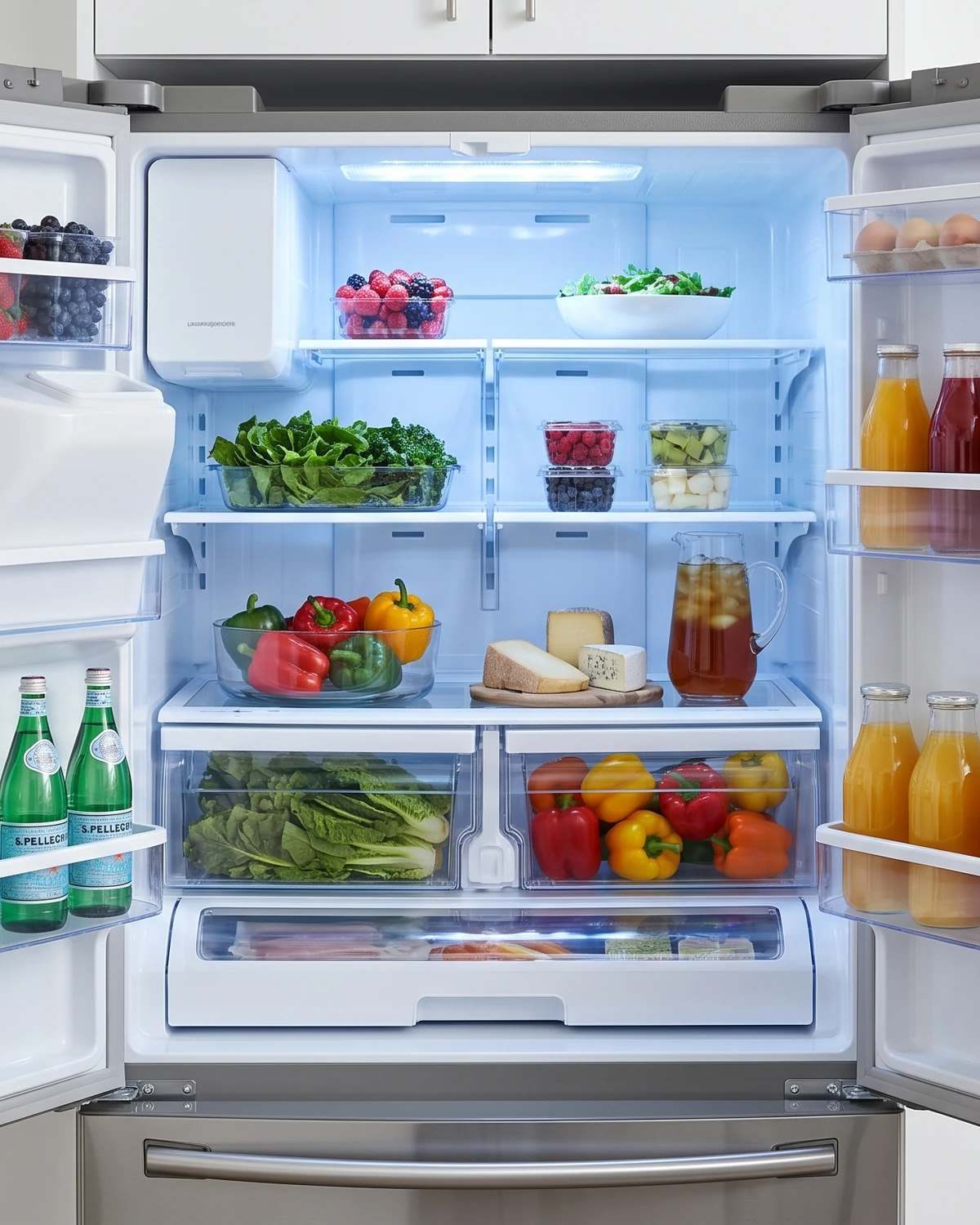 064:5
064:5A refrigerator doesn't create cold; it pumps heat out of the food and dumps it into the room, using a refrigerant that cycles between evaporating and condensing.
Watch and read → 074:5
074:5Bluetooth is short-range 2.4 GHz radio. Learn how pairing, frequency hopping and low-power design let your devices talk wirelessly without tangling.
Watch and read →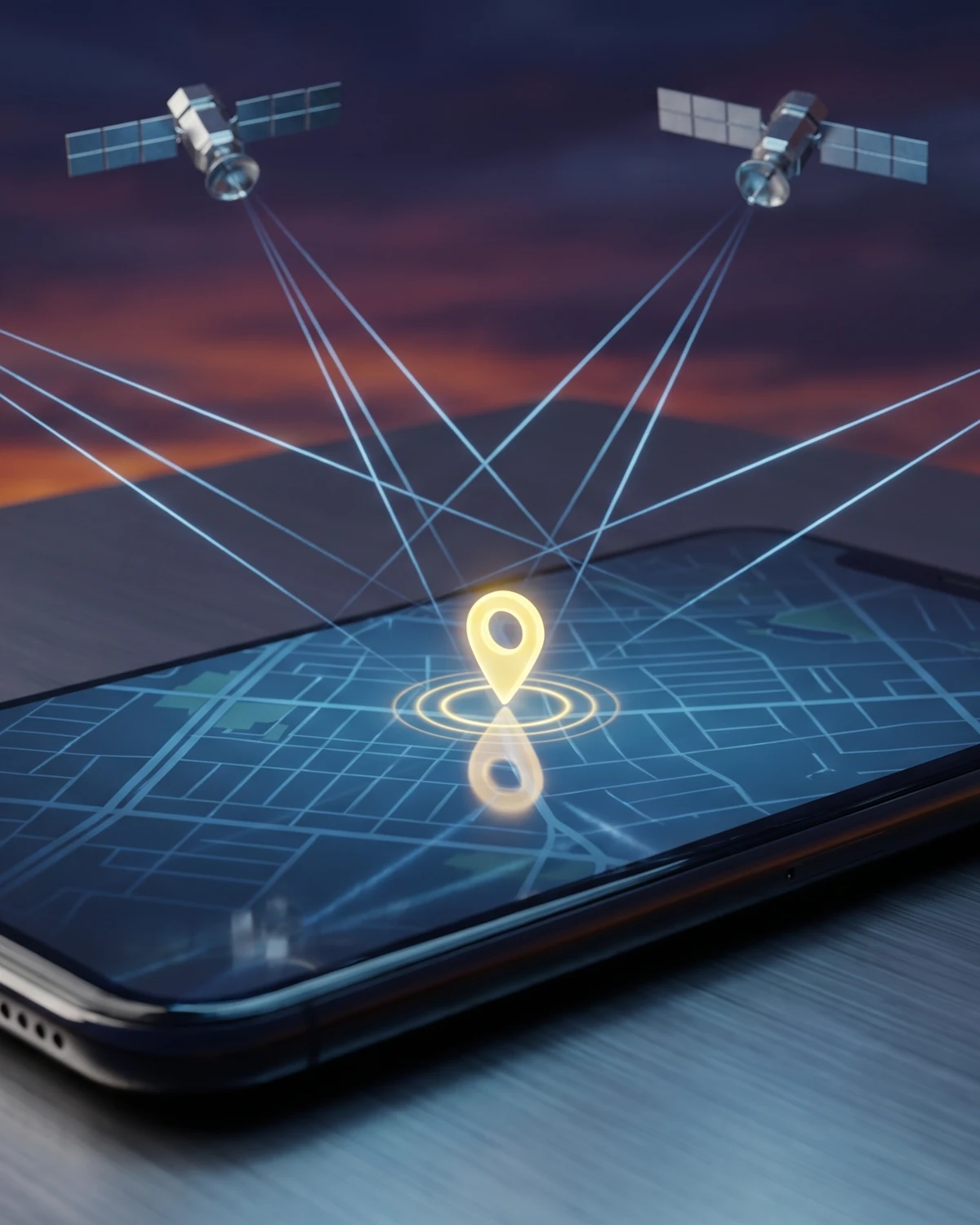 084:5
084:5GPS finds you by timing signals from four or more atomic-clock satellites and turning the delays into distances, all at the speed of light.
Watch and read → 094:5
094:5Sunscreen works mainly by absorbing UV light and releasing it as heat, with some scattering. Learn what SPF means and how to use sunscreen correctly.
Watch and read → 104:5
104:5Wi-Fi works by encoding your data onto invisible radio waves that a router and your devices broadcast back and forth, turning bits into signals and back again.
Watch and read →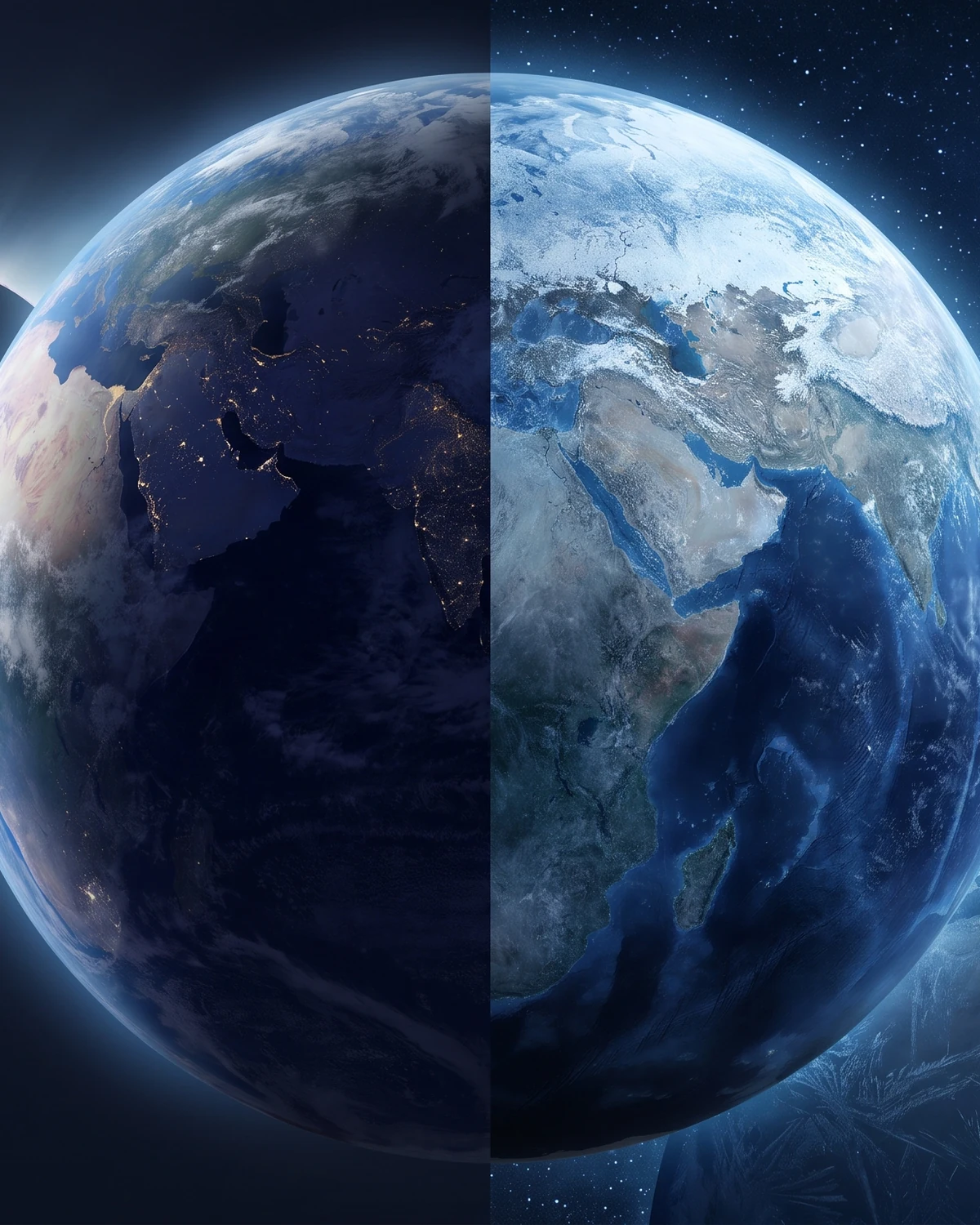 114:5
114:5A physics thought experiment: if the Sun vanished, Earth would keep light and gravity for ~8 min 20 sec, then fly off in a straight line and slowly freeze.
Watch and read →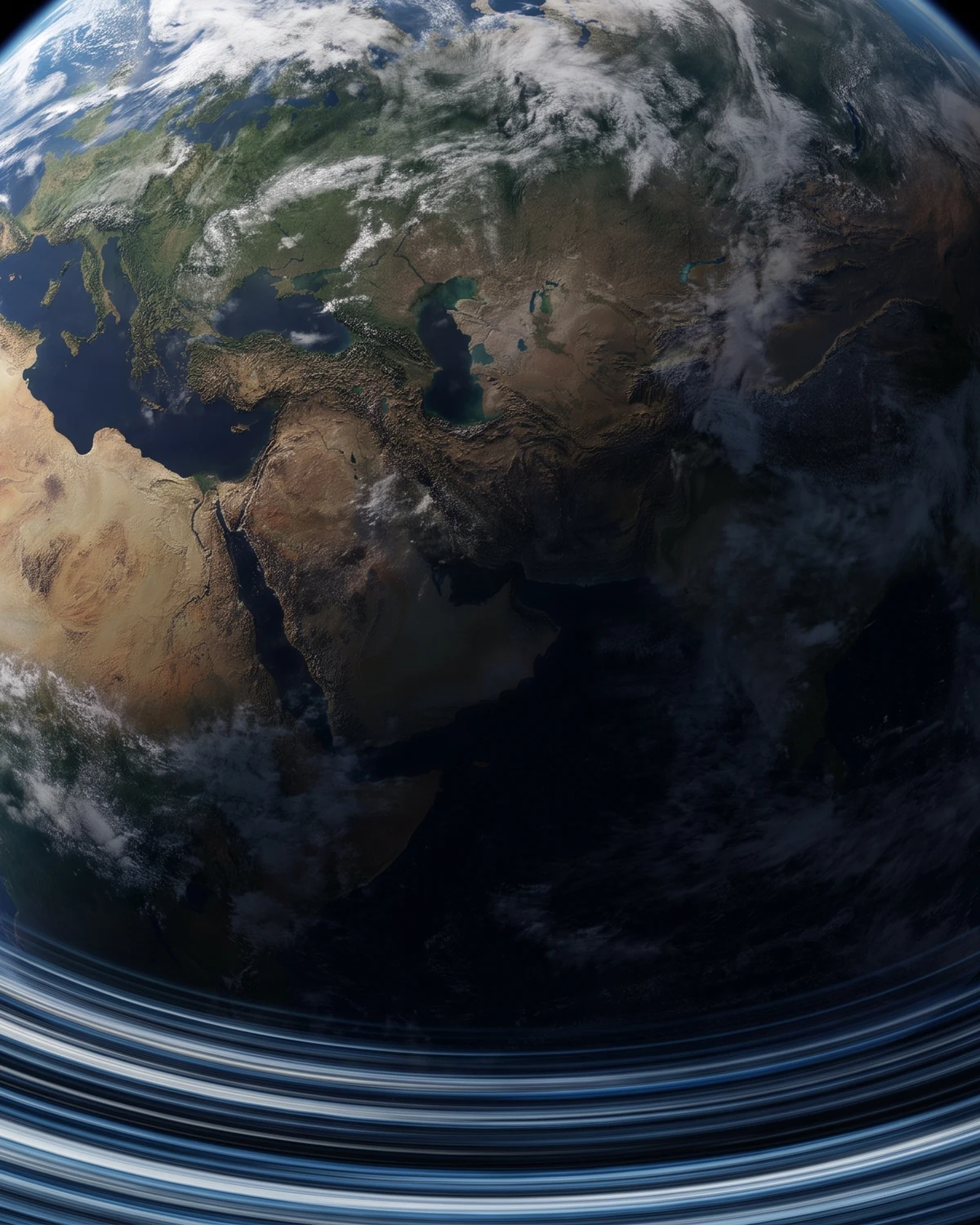 124:5
124:5If Earth stopped spinning suddenly, everything would keep moving at up to 1,600 km/h. Even a gradual stop would bring six-month days and a reshaped world.
Watch and read → 134:5
134:5Onions make you cry because cutting them releases enzymes that build a volatile tear-inducing gas. Learn the chemistry — and how to stop the tears.
Watch and read → 144:5
144:5Seasons come from Earth’s ~23.4-degree axial tilt changing the angle of sunlight and length of day, not from the planet’s distance to the Sun.
Watch and read →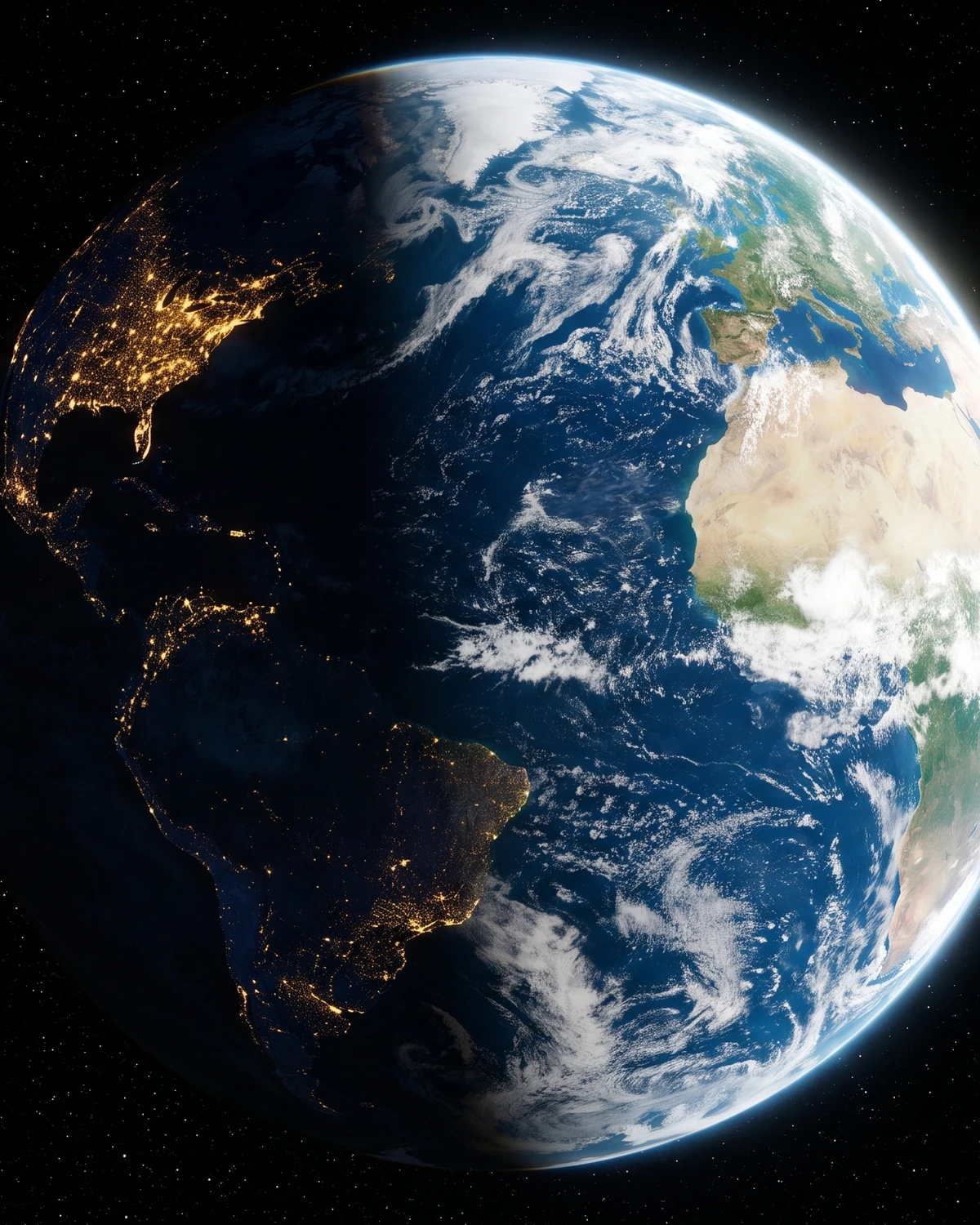 154:5
154:5Earth spins because it inherited angular momentum from the spinning cloud it formed in 4.5 billion years ago. With almost nothing to slow it, it just keeps turning.
Watch and read → 164:5
164:5The Moon's gravity stretches Earth's oceans into two bulges, and as the planet spins beneath them we get two high and two low tides a day. The Sun helps too.
Watch and read → 174:5
174:5The ocean is salty because acidic rain dissolves minerals from rock and rivers carry them to sea, where salt builds up to about 3.5% and stays steady.
Watch and read → 184:5
184:5The sky is blue because tiny air molecules scatter the short blue wavelengths of sunlight far more than the longer red ones, spreading blue light across the whole sky.
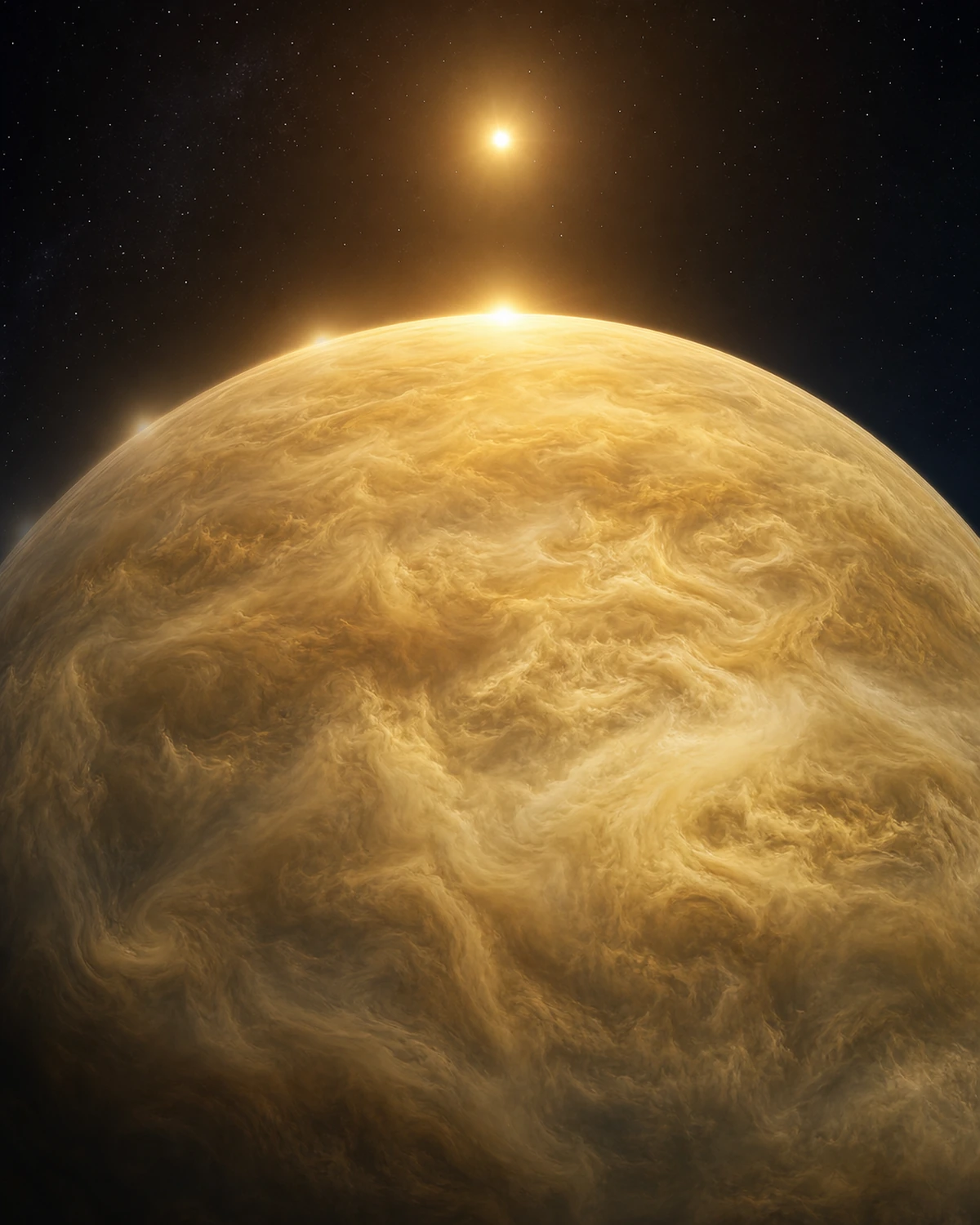
Watch and read →194:5Venus takes about 243 Earth days to rotate but only 225 days to orbit the Sun. The headline is true—depending on what ‘day’ means.
Watch and read →What we explain
Topic paths help readers continue exploring and give the growing publication a durable structure for search.
Planetary motion, oceans, weather, light and the systems beneath everyday experience.
Explore the library →Worlds, orbits and the physics that challenges common sense.
Explore the library →The signals and precise physics working inside familiar tools.
Explore the library →Clear mechanisms behind food, color, sound and the human body.
Explore the library →Responsible thought experiments that reveal how nature is connected.
Explore the library →The Flash Explain documentary archive—history reconstructed through evidence.
Explore the library →Built for a real publication
Social traffic finds a memorable visual. Search visitors find a complete explanation. Every reader finds sources, honest limits, and a clear next story.
Reserved below substantial editorial value. Advertising will not imitate navigation or interrupt the explanation.